
The Ultimate Guide to Mini Puppies: Tiny Paws, Big Hearts in 2026
Introduction
In the fast-paced world of 2026, where apartments dominate urban living and busy lifestyles leave little room for large pets, mini puppies have stolen the spotlight. These pint-sized bundles of fluff—often called toy, teacup, miniature, or micro puppies—are the ultimate companions for city dwellers, families in small spaces, and anyone who wants maximum cuteness with minimal square footage.
Mini puppies refer to the smallest members of toy breeds (under 10-12 lbs adult weight) or even tinier “teacup” variants (often under 4-5 lbs). From the bold Chihuahua to the fluffy Pomeranian, these little dogs pack outsized personalities into tiny bodies. They fit perfectly in handbags, on laps, and in hearts—making them wildly popular.
But there’s more to mini puppies than adorable Instagram reels. While their size is irresistible, they come with unique care needs, health considerations, and pros/cons that every potential owner should know. In this comprehensive guide, we’ll explore the charm, popular breeds, pros and cons (especially the controversial teacup trend), care tips, and why these tiny pups continue to dominate pet trends in 2026.
Whether you’re dreaming of a forever-puppy look or seeking the perfect apartment companion, let’s dive into the world of mini puppies!

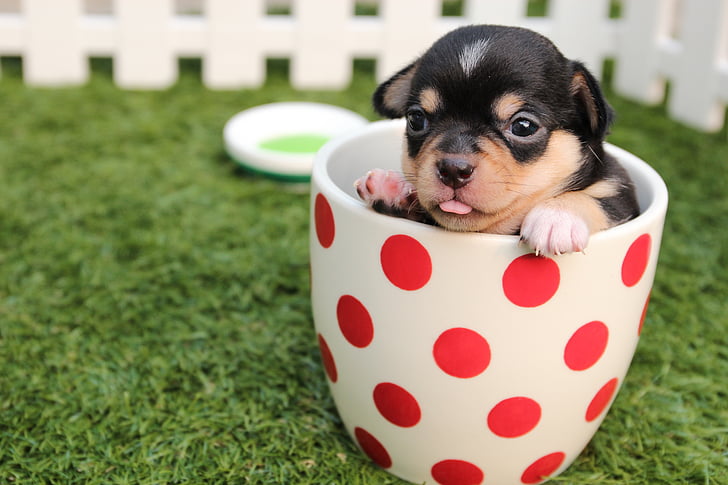
Why Mini Puppies Are Trending in 2026
The rise of mini puppies aligns with modern living trends. Urbanization means more people in apartments, remote work increases demand for home companions, and social media amplifies their viral appeal. Breeds like Miniature Poodles and French Bulldogs (often in smaller variants) top popularity charts due to hypoallergenic coats and adaptability.
In 2026, trends favor intelligent, low-shedding small dogs that thrive in limited spaces. Designer mixes (like Pomchis or Maltipoos) add variety, while ethical breeding awareness grows—pushing buyers toward reputable sources over extreme “teacup” marketing.
These tiny dogs offer big benefits: easy to carry, low exercise needs, and endless cuddles. But they’re not for everyone—let’s explore the realities.
Popular Mini Puppy Breeds in 2026
Here are some of the most beloved mini breeds and their tiny variants:
Teacup/Mini Chihuahua
The smallest breed, often 2-6 lbs. Bold, sassy, and fiercely loyal.

So cute teacup chihuahua
Teacup Pomeranian
Fluffy fox-like faces, 3-7 lbs. Energetic, vocal, and full of personality.

The Cutest Pomeranian Pictures
Toy/Miniature Poodle
Intelligent, hypoallergenic, 4-15 lbs depending on size. Highly trainable.

Dog Breed Guide: Toy Poodle | Pets Best
Teacup Yorkshire Terrier (Yorkie)
Silky coats, 4-7 lbs. Confident and affectionate.

Yorkshire Terrier Puppy Pictures and Facts
Other favorites include Teacup Maltese, Shih Tzu, Pug, and designer mixes like Chipoo (Chihuahua-Poodle) or Pomchi (Pomeranian-Chihuahua).
The Truth About Teacup Puppies: Pros, Cons, and Health Realities
“Teacup” isn’t an official term—it’s marketing for the tiniest puppies from toy breeds. While adorable, extreme miniaturization raises serious concerns.
Pros of Mini/Teacup Puppies
- Portability — Easy to travel, carry, and live in small spaces.
- Low exercise — Short walks suffice; perfect for apartments.
- Big personality — Many are confident, playful, and affectionate.
- Less mess — Smaller food/water needs, easier cleanup.
Cons and Health Issues
Ethical breeders avoid extreme sizes, but many teacup puppies suffer from:
- Hypoglycemia — Low blood sugar; requires frequent feeding.
- Fragile bones — Prone to fractures from minor falls.
- Heart problems — Congenital defects common.
- Hydrocephalus — Fluid on the brain.
- Collapsing trachea — Breathing issues.
- Dental problems — Small jaws lead to overcrowding.
Unethical practices include breeding runts (often weakest), inbreeding, or underfeeding to stunt growth—leading to lifelong issues and shorter lifespans. Vet bills can be high, and anesthesia is riskier.
In 2026, experts urge adopting from reputable sources focusing on health over size. Avoid “teacup” labels; opt for standard toy breeds.
Caring for Your Mini Puppy: Essential Tips
Mini puppies need special attention:
- Nutrition — Small, frequent meals to prevent hypoglycemia.
- Grooming — Regular brushing; many need professional trims.
- Training — Start early; they’re smart but can be stubborn.
- Exercise — Short walks and indoor play; avoid overexertion.
- Safety — Protect from falls, larger pets, and cold.
- Vet Care — Regular check-ups; choose vets experienced with toys.
- Socialization — Prevent “small dog syndrome” (fear aggression).
With proper care, many mini dogs live happy, long lives (12-18+ years).
Best Mini Puppies for Different Lifestyles
- Apartments → French Bulldog, Shih Tzu, Cavalier King Charles Spaniel.
- Families → Mini Poodle, Bichon Frise, Havanese.
- First-Time Owners → Toy Poodle (trainable), Maltese.
- Seniors → Low-energy like Pug or Cavalier.
Always research and meet breeders/rescues.
FAQs About Mini Puppies
Q1: Are teacup puppies healthy?
A: Many aren’t due to unethical breeding. Choose reputable breeders prioritizing health.
Q2: What’s the difference between toy, mini, and teacup?
A: Toy = official small size; mini/teacup = marketing for even smaller (often riskier).
Q3: Do mini puppies bark a lot?
A: Some (Chihuahua, Pomeranian) are vocal; others (Pug, Frenchie) are quieter.
Q4: How much do they cost?
A: $1,000–$5,000+; extreme teacups are pricier but often less healthy.
Q5: Are they good with kids?
A: Varies—many are gentle, but fragile size requires supervision.
Q6: Do they live long?
A: Standard toys often do; extreme teacups may have shorter lives.
Q7: Best for apartments?
A: Yes—low energy, small space needs.
Q8: Hypoallergenic options?
A: Toy Poodle, Bichon, Maltese mixes.
Q9: How to find ethical breeders?
A: Health tests, meet parents, avoid “teacup” hype.
Q10: Rescue vs. buy?
A: Adopt if possible—many tiny mixes need homes.
Conclusion
Mini puppies capture the magic of “forever puppies”—tiny, cute, and full of love. In 2026, they’re perfect for modern life, offering companionship without overwhelming space or energy demands.
Approach with eyes open: prioritize health over extreme size, choose ethical sources, and commit to special care. Done right, a mini puppy becomes a lifelong joy—proving the best things come in small packages.


